
As we celebrate the 75th anniversary of VE Day, I am realising the similarities between the struggles faced during the second world war and those we are facing now. Here are my thoughts...
We have a heightened sense of loneliness during this isolation period, being away from friends and other family members aside from our household, and from personal experience, I can say I miss people outside my nuclear family. 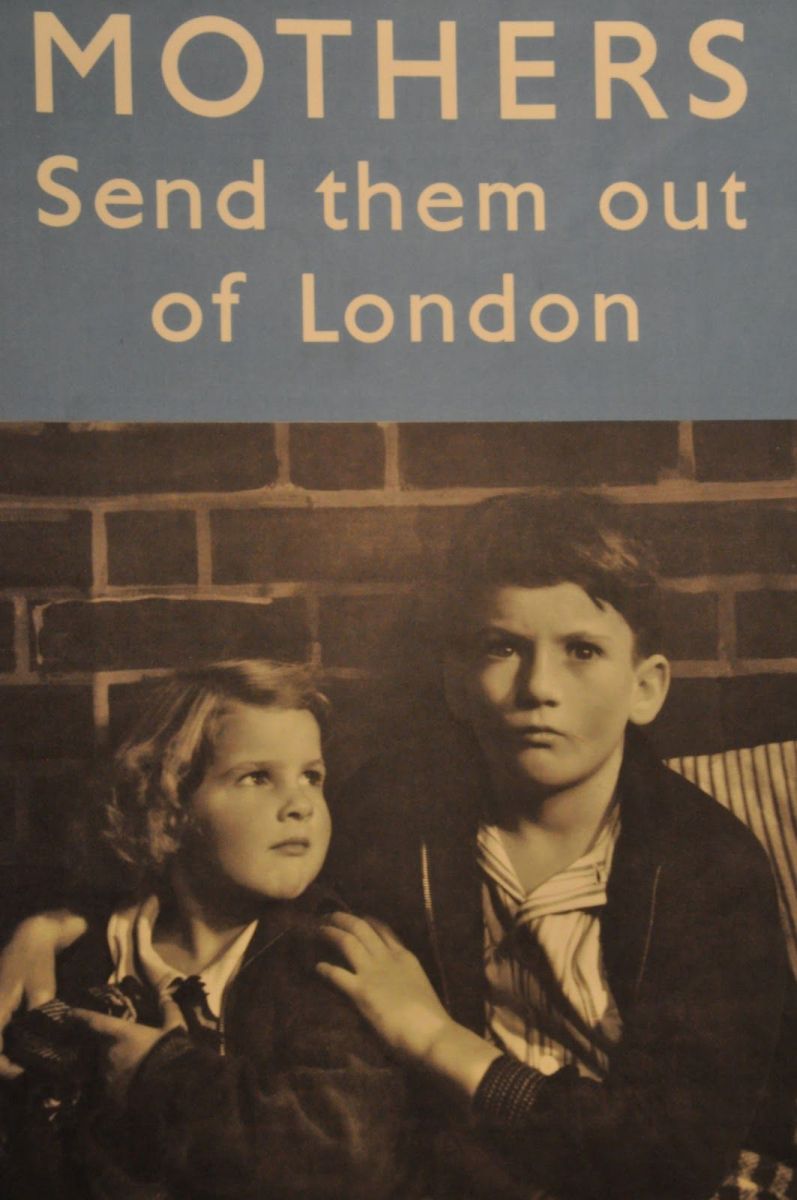 I have seen how other families have been separated due to parents being frontline workers and the emotional toll it is having on them.
Similarly, those in WW2 also faced isolation but from their families as much as their friends, as evacuees were sent away to the countryside, and soldiers and nurses were deployed abroad and sent away from the comforts of their homes.
In both situations, we have our frontline workers at the epicentre of the issues and therefore most vulnerable to its effects.
WW2 saw people going to fight for their country against a physical human enemy, people supported them from the home front and took pride in a family member joining the army. Also, Dunkirk saw ‘normal’ people mobilised to use their personal boats to rescue soldiers from the French coast. This sacrifice, from ordinary people, made a massive difference in the war over. It is believed to have protected the lives of over 330,000 troops.
Now in 2020, we come together to fight Covid-19 through self-isolation and help for those in need. Food deliveries to those who must shield and virtual contact with friends, family and neighbours. As we now have an unseen, dangerous, enemy I take pride in our unity. As we did almost 80 years ago; weekly applause for our carers and some financial support for charities in need.
People knew the war would last a long time, they were prepared and took the necessary precautions, however, coronavirus is an unknown enemy which inflicts uncertainty - people aren’t sure what it will do and some do not take it seriously. This is results in fear among society about how long this will continue for, making it more vital for us to help each other out and stay connected.
I’m sure we have all seen that the lack of essentials like pasta, flour, and even toilet paper has shown the country the extent of the situation. Before .jpg) lockdown, people had begun to stockpile food which left the shelves empty and those who were in desperate were left without. This has been stopped, with limitations put on certain products. Our supermarket managers may have taken a leaf from the book of those in WW2 who, due to food shortages, used ration books to ensure that everyone had equal shares in the available food.
lockdown, people had begun to stockpile food which left the shelves empty and those who were in desperate were left without. This has been stopped, with limitations put on certain products. Our supermarket managers may have taken a leaf from the book of those in WW2 who, due to food shortages, used ration books to ensure that everyone had equal shares in the available food.
When compared to the restrictions on essentials in supermarkets now, we can see how a free for all divides society, unequally punishing the poor who cannot afford to buy surplus. Rations and sharing build community as we face the same challenges. I think we have all enjoyed the toilet paper memes.
During the Second World War, civilians relied on getting news ab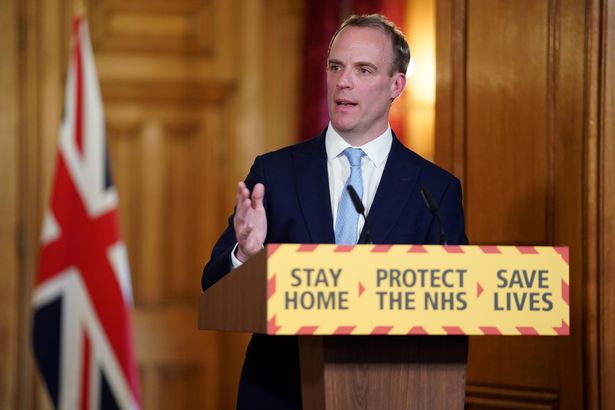 out the war from their radios and newspapers. Their knowledge about what was going on was affected by the likes of propaganda and censorship and most of the time they didn’t know the full extent of the situation; partly due to the need for military secrecy.
However, during our current situation of coronavirus we are receiving endless news stories and statistics about the effects coronavirus is having on our country and the Earth as a whole. But with the advances in technology and the increase in fake news and propaganda, can we ever be sure what we are being told is accurate?
During the years of World War Two, people could still go out and meet with friends, go and buy essentials and get on with their jobs, however, they 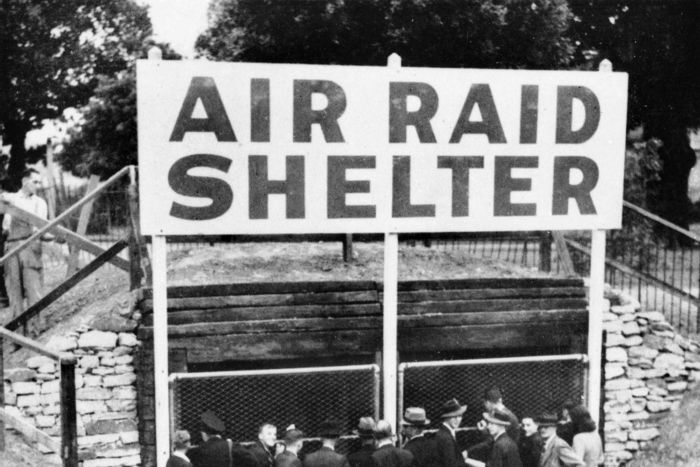 always had an underlying fear of danger. There was nowhere people could be 100% safe from a bomb attack.
Now, we can stay safe as we follow government advice to ‘stay at home, protect the NHS. Save lives’. We can physically keep safe. Mentally and emotionally it is harder as we can’t see friends. Some families have been separated. We are still afraid and that sense of danger people felt in the war has enveloped the country
During these hard times, we have seen people go above and beyond in striving to help others and their community efforts. We applaud the thousands of people that go and work for the NHS. We cheer on thousands of other key workers like shelf stockers and postal workers. We rally behind fundraisers like Captain Tom (now Colonel) who walked laps of his garden and raised over £30,000,000.
Despite the horrors produced by World War Two, there were some positive outcomes. If it hadn’t been for the war we may never have had the efficiency of the healthcare system of the NHS that we have today; without it, we would be in a much worse situation with coronavirus now and society would be even more divided by wealth.
Coronavirus has seen communities support each other in new ways. Social anomalies like the rainbows displayed in front windows and whole streets outside to cheer for the NHS every Thursday at 8 pm. Even though it feels like this time will never end and we will be stuck at home forever, we need to look on the bright side and remember Captain Tom’s words, “We will get through this and come out of it stronger, more united and ready to face a challenge together.”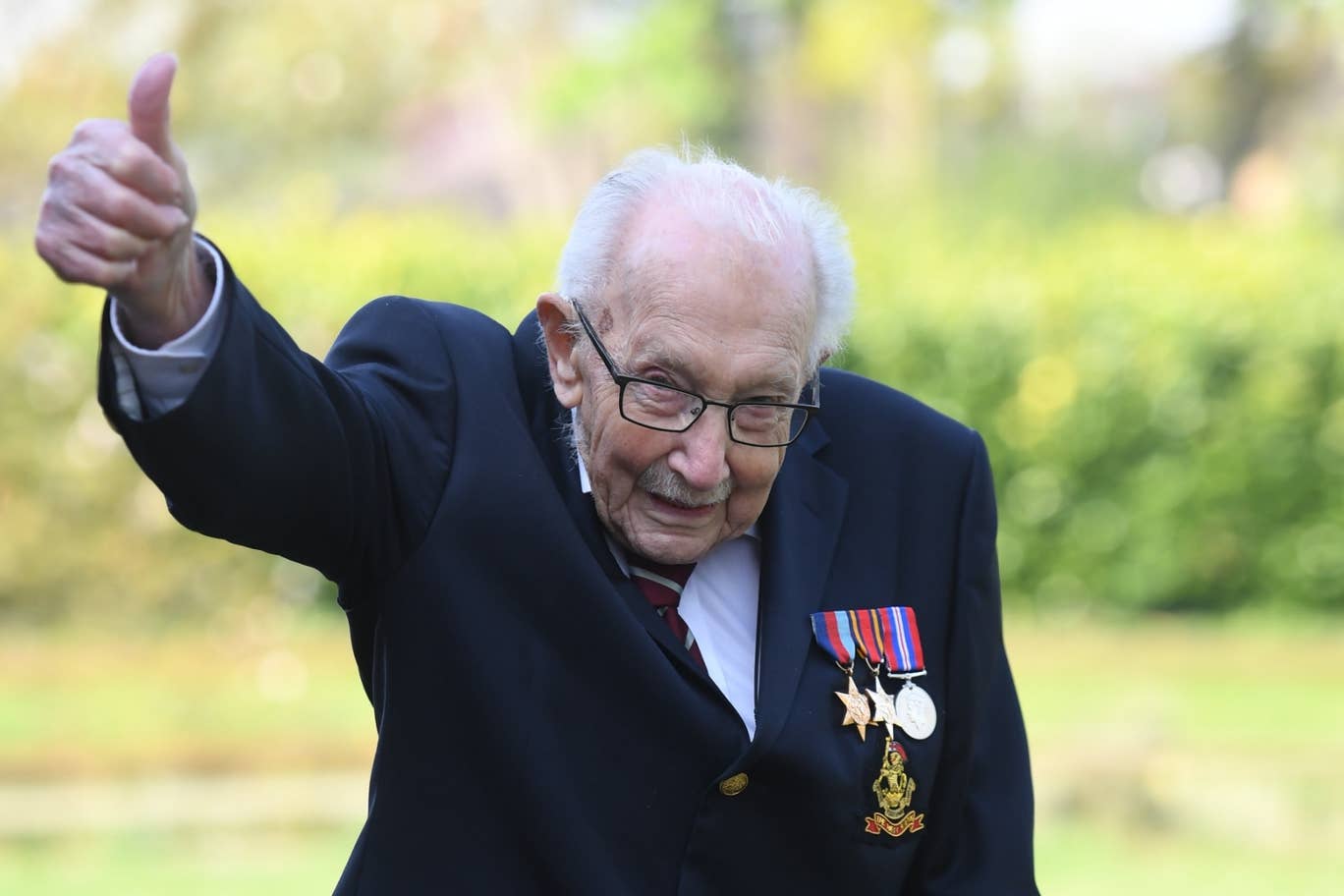
This is our Dunkirk moment as a country – to step up and help those in need. Have a great, socially distanced, V E day.